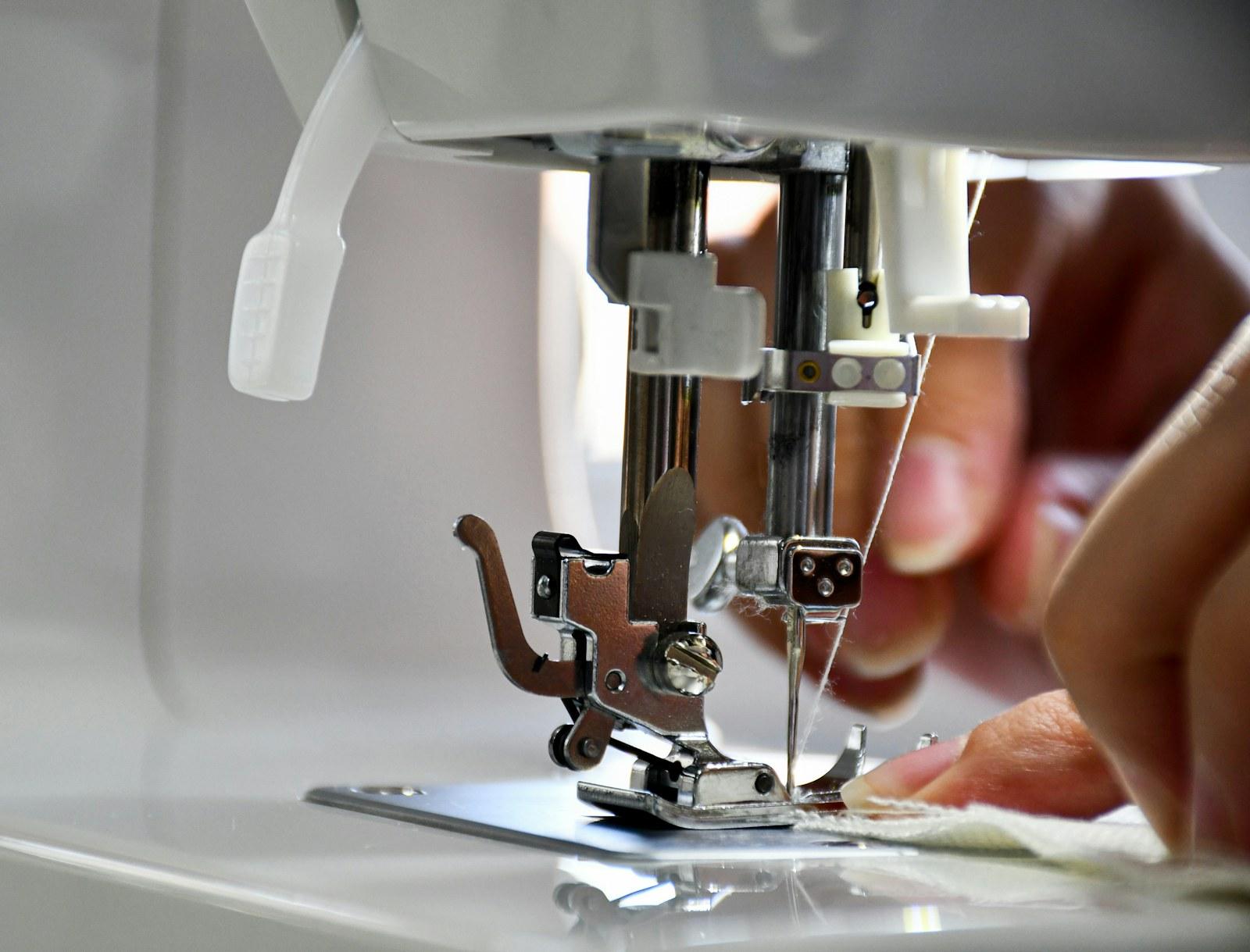
How to spot a quality shirt in two minutes
The short answer
Feel for a dense two-ply cloth, then check the making: 18+ stitches per inch at collar and cuffs, single-needle side seams, a split yoke, matched stripes, a symmetrical collar with removable stays, good buttons, neat buttonholes and a gauntlet button on the sleeve.
Stitch gaugeone inch of seam
How can you tell if a shirt is good quality?
Look at three things in order: the cloth, the stitching and the details. Good cloth is dense, even and often two-ply. Good stitching is small and tight, about 18 or more stitches per inch at the collar and cuffs. Good details include a split yoke, matched patterns, removable collar stays and a gauntlet button.
None of these needs a label to check: you can do every one in a shop in two minutes. The stitch density figure and most of the checks below follow Proper Cloth’s quality guide Proper Cloth.
Ten checks for a well-made shirt
- 01
Feel the cloth
Dense, even and smooth, with no thin spots. Two-ply yarn in 80s or finer is a sound baseline for a dress shirt.
- 02
Count the stitches
At least 18 stitches per inch around the collar and cuffs. Small, tight stitches lie flat and hold an edge.
- 03
Look at the side seams
One line of stitching on the outside means a single-needle seam: flatter, and less prone to puckering.
- 04
Turn it round: the yoke
A split yoke, two halves meeting at the centre back, follows the shoulders better and lets stripes meet in a V.
- 05
Check the pattern matching
Stripes and checks should line up at the centre back, down the front placket and across the pocket.
- 06
Inspect the collar
Symmetrical points, clean edge stitching, an interlining that feels crisp but not like card, and removable stays.
- 07
Look at the buttons
Mother-of-pearl buttons, cool and iridescent, are the classic sign of a good shirt; thread wound under them is a bonus.
- 08
Read the buttonholes
Dense, even stitching with no loose threads or fraying.
- 09
Find the gauntlet button
A small button on the sleeve placket above the cuff keeps the opening closed.
- 10
Check the hem
A small reinforcing gusset at the foot of each side seam stops it tearing from tucking and washing.
Why do stitches per inch matter?
More, smaller stitches make a seam that lies flatter, looks neater and holds better through washing. Fewer, longer stitches are faster to sew, which is why cheap shirts use them. For a dress shirt, around 18 or more per inch at the collar and cuffs is the mark of careful making.
Use the gauge at the top of the page to see the difference in one inch of seam. Japanese maker Kamakura Shirts, for one, describes building its shirts with single-needle seams that look neat on the inside too Kamakura Shirts.
What is a split yoke, and why is it a sign of quality?
The yoke is the panel across the back of the shoulders. In a split yoke it is cut as two halves joined at centre back, each on the bias, so the shirt shapes to the shoulders and stripes meet in a neat V. It takes more cloth and sewing, so it is a reliable sign of care.
Does a higher price mean a better shirt?
Not reliably. Price includes brand, marketing and retail costs as well as cloth and making. Use the checks instead: a mid-priced shirt with two-ply cloth, dense stitching and a split yoke is better made than an expensive one without them. Fit matters as much as either.
For the cloth side of quality, see two-ply and yarn count; for who makes what, see shirt brands and mills.
Frequently asked questions
Proper Cloth's guideline is at least 18 stitches per inch around the collar and cuffs of a dress shirt. Higher stitch density makes seams flatter, neater and stronger. Casual shirts sewn with thicker thread can have fewer stitches and still be well made.
The yoke is the panel across the shoulders at the back. A split yoke is cut in two halves joined at the centre, each cut on the bias, so the shirt follows the shoulders better and stripes can meet in a neat V. Proper Cloth calls it a sure sign of quality construction.
The gauntlet is the slit placket above the cuff that lets the sleeve open. A gauntlet button is the small button halfway up it, which closes the gap so the sleeve does not gape. It is a small detail that cheaper shirts often skip.
Single-needle tailoring sews each side of a seam in a separate pass, so only one line of stitching shows on the outside. It makes a flatter, neater seam that puckers less after washing than a two-needle seam sewn in one fast pass.
Sources
- 01High Quality Dress ShirtsProper Cloth reference, checked Nov 26, 2026
- 02Thread Count and PlyProper Cloth reference, checked Nov 26, 2026
- 03Our historyKamakura Shirts, checked Nov 26, 2026
Checked November 26, 2026. Brands change their cloth, cuts and labels, so check the maker’s own page before you buy. We are independent and not paid by any company named. Read the disclaimer or how we check facts.
Related guides
- The clothTwo-ply and yarn countRead 100/2 × 100/2 like a mill does, and ignore inflated counts.Read the guide
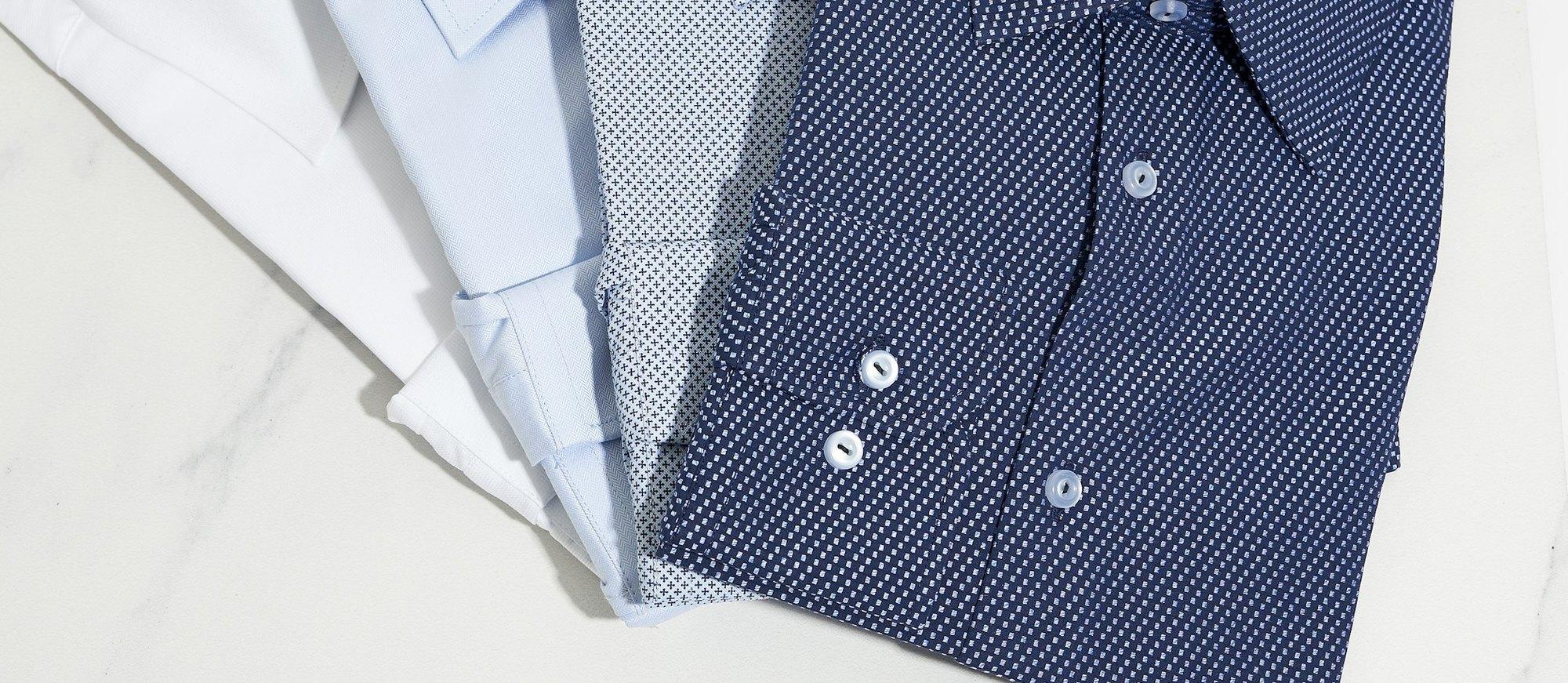 The cutCollars and cuffsSix collars and four cuffs, drawn as the pieces a shirtmaker cuts.Read the guide
 Care & sourcingShirt brands and millsWho makes what, founded when, with every fact sourced. No rankings.Read the guide